
AML/CFT – advanced level
280 000 ₸

- Dates: March 30-April 1, 2026
- Number of hours: 9
- Language: English
- Trainer: Ainur Zhakenova
1. Programme
Day 1
Module 1 – Understanding Global AML/CFT Trends and Their Implications
- Key international AML/CFT standards (FATF, Basel, EU Directives)
- Core AML/CFT legislation of the Republic of Kazakhstan and the AIFC
- Role of international bodies: FATF, Egmont Group, Wolfsberg Group
- Role of the Astana Financial Services Authority (AFSA) and the Agency for Financial Monitoring
- Impact of AML/CFT regulations on financial institutions worldwide
- Case study: major global AML/CFT enforcement actions
Module 2 – Emerging Trends and Methods of Money Laundering
- Evolving money laundering techniques (cryptocurrencies, trade-based money laundering, digital fraud)
- Cross-border money laundering techniques
- Discussion of practical examples and case studies
Module 3 – Risk-Based Approach to AML/CFT Compliance
- Concept and importance of the Risk-Based Approach (RBA)
- Conducting comprehensive AML/CFT risk assessments
- Risk factors: customer, product, geography
- Developing a risk-based AML/CFT program: documentation, implementation, and sequencing
Day 2
Module 4 – Know Your Customer (KYC) and Customer Due Diligence (CDD)
- Importance of KYC and CDD within the AML/CFT framework
- Types of due diligence: CDD and Enhanced Due Diligence (EDD)
- Identification and management of high-risk customers
- Best practices in KYC/CDD processes
Module 5 – Sanctions and Politically Exposed Persons (PEPs) Screening
- Understanding sanctions regimes (UN, national, OFAC, EU, OFSI) and compliance requirements
- Screening processes for sanctioned individuals and entities
- Managing and monitoring PEPs and related risks
Module 6 – Transaction Monitoring and Reporting
- Monitoring tools and suspicious transaction indicators
- Key red flags and indicators of suspicious activity
- System testing and validation
- Quality assurance and root cause analysis
- Case study: effective transaction monitoring and reporting
Day 3
Module 7 – AML/CFT Training Program
- Structure of an AML/CFT training program
- Measuring training effectiveness
- Specialized training and the importance of professional networks
- Mandatory qualifications
Module 8 – AML/CFT Internal Audits, Independent Reviews, and Regulatory Inspections
- Importance of internal controls and audits in an AML/CFT program
- Preparing for AML/CFT audits and identifying gaps
- External and independent reviews: key areas of focus for auditors
Module 9 – Corporate Governance and Organizational Culture
- Oversight by the Board of Directors and senior management
- Roles, responsibilities, and accountability structure
- Periodic reporting to management and regulators
- Culture of compliance
Q&A Session and Closing Remarks
2. What the Training Fee Includes
- Online training sessions
- Q&A
- Trainer’s presentations and recommendations
- E-certificate
3. About the trainer

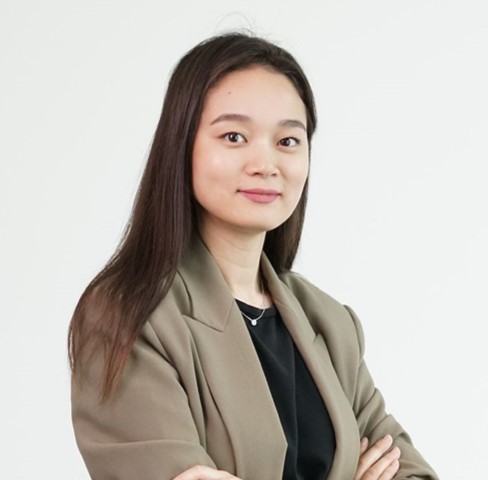
Ainur Zhakenova
A board member of the ACAMS Eurasia Chapter, Expert in Anti-Money Laundering and Counter-Terrorist Financing (AML/CTF) and Financial Crimes.
Ainur – Ainur is a highly qualified expert in Anti-Money Laundering (AML) and Financial Crime Compliance (FCC), with extensive experience in both financial intelligence units and the commercial banking sector.
Currently, Ainur serves as a Board Member of the ACAMS Eurasia Chapter and actively conducts webinars on AML topics across the region.
Experience:
Ainur’s career began at Kazakhstan’s financial intelligence unit, where she played a key role in developing an analytical system for Suspicious Activity Reports (SAR). She later contributed to shaping the AML regulatory environment at the Astana International Financial Centre (AIFC) while working at the Astana Financial Services Authority.
With a strong academic background, she earned a Master’s degree in Information Technology and Management from the Illinois Institute of Technology (USA) and a Bachelor’s degree in Applied Mathematics from L.N. Gumilyov Eurasian National University. Fluent in English, Russian, and Kazakh, she brings a diverse and international perspective to her work.
We will answer all questions: